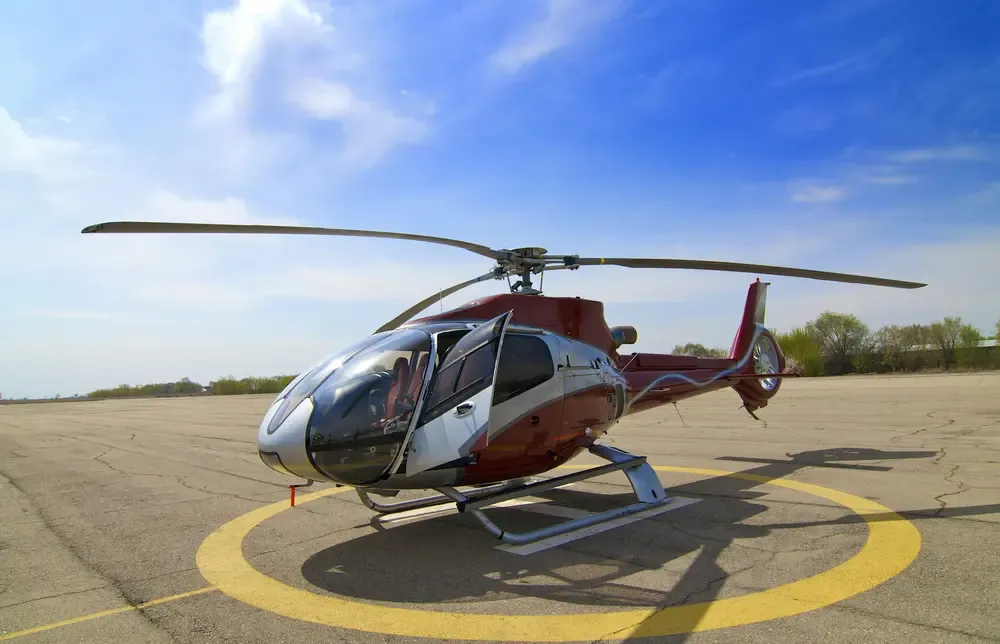
Helicopter ownership can look straightforward from the outside. Find the aircraft, agree on a purchase price, arrange financing, and move forward.
In reality, the purchase itself is only one part of the financial picture.
Helicopters introduce a different ownership rhythm than many fixed-wing aircraft. Maintenance intervals can be more demanding, component replacement matters more, insurance can vary widely by mission, and utilization has a major impact on the annual budget.
So before comparing helicopter loans, it helps to understand where the ownership dollars actually go.
Think of Helicopter Ownership in Four Buckets
Instead of trying to estimate one giant annual number, break the budget into four categories: acquisition, fixed expenses, flight-hour costs, and long-term reserves. That makes the ownership picture much easier to understand.
Bucket 1: Getting the Helicopter Into Your Hangar
The first cost is the obvious one: acquisition.
Purchase price varies enormously depending on whether you are looking at a smaller piston helicopter, a turbine platform, or a larger commercial-use aircraft. A pre-owned piston helicopter may sit in a very different price range from a turbine model designed for business transport or utility work.
This is where aircraft financing can play an important role. Financing allows buyers to spread the acquisition cost over time instead of placing the full purchase amount into the aircraft at closing.
The important part is leaving enough room in the budget for everything that follows.
Bucket 2: Costs That Continue Even When You Are Not Flying
Some helicopter expenses do not care whether you fly ten hours this month or none.
Insurance
Insurance depends on the aircraft, pilot experience, intended use, and overall operation. A helicopter used privately may have a different insurance profile from one used for commercial operations, utility work, or instruction.
That makes insurance something buyers should investigate early, not after the purchase agreement is already signed.
Storage
Hangar space protects the aircraft and can help preserve condition over time. Storage costs vary by airport and region, but they belong in the fixed-cost budget from the beginning.
Inspections and Administrative Costs
Annual inspections, regulatory requirements, subscriptions, and other recurring expenses also remain part of ownership regardless of utilization.
Together, these costs form the baseline expense of simply keeping the aircraft available.
Bucket 3: The Cost of Every Flight Hour
This is where helicopter ownership starts behaving differently from many fixed-wing aircraft.
The more you fly, the more you spend on fuel, scheduled servicing, and components that accumulate time toward replacement.
Fuel
Fuel burn varies significantly between piston and turbine helicopters.
A smaller piston aircraft may offer a much lighter operating profile, while turbine platforms bring additional capability with higher fuel consumption.
The right comparison is not simply gallons per hour. It is what the aircraft accomplishes with those hours.
Routine Maintenance
Helicopters rely on a large number of moving components, and maintenance planning is central to ownership. Wear items, inspections, lubrication, and scheduled servicing all need to be included when estimating hourly operating cost.
Flight-Hour Reserves
Many experienced owners think in terms of reserves rather than waiting for a large maintenance event to arrive. Setting aside money for every hour flown can help make future component work much easier to manage.
Bucket 4: The Big Costs That Arrive Later
Some of the most important helicopter expenses do not appear every month. They arrive after accumulated hours or calendar intervals.
That can include major inspections, engine work, rotor-system components, transmissions, or other time-limited parts depending on the aircraft.
This is why the lowest purchase price is not always the lowest ownership cost. A helicopter priced attractively but approaching several major maintenance events may require a much larger budget shortly after purchase.
For buyers, the maintenance status at closing can matter almost as much as the purchase price itself.
Piston vs. Turbine: The Ownership Math Changes Fast
A piston helicopter and a turbine helicopter may serve similar missions, but their financial profiles can look very different.
Piston Helicopters
Piston platforms can provide a more approachable path into helicopter ownership, especially for personal flying, training, or lighter missions.
Their acquisition and fuel costs may be lower, but owners still need to plan carefully for maintenance and component life.
The financing conversation can also differ from piston aircraft loans used for airplanes because helicopters have their own valuation, maintenance, and market considerations.
Turbine Helicopters
Turbine helicopters offer more capability, payload, and mission flexibility, but ownership expenses increase accordingly.
The jump is similar in principle to moving from turboprop loans or jet loans in the fixed-wing world: the aircraft value rises, but so does the importance of long-term operating planning.
A larger loan payment is only one part of that transition.
Why Helicopter Financing Should Start With the Mission
The better financing conversation begins with how the helicopter will be used.
Personal transportation, business travel, flight training, utility work, and commercial operations all create different ownership profiles. That matters because the aircraft that makes sense for one mission may be unnecessarily expensive for another.
A buyer who flies relatively few personal hours may prioritize simplicity and manageable fixed costs. A business that depends on the helicopter operationally may care more about dispatch reliability, payload, and utilization.
The financing structure should support that mission rather than stretching the purchase toward more helicopters than the operation actually needs.
How Helicopter Loans Fit Into the Bigger Aviation Financing Picture
Buyers familiar with airplane financing sometimes expect helicopter financing to work exactly the same way.
There are similarities, but the aircraft itself deserves different attention. Helicopter age, model, maintenance status, market demand, intended use, and component times can all influence the transaction.
That is why working with professionals who understand aviation financing can be useful. The financing should account for the specific aircraft rather than treating every aviation asset the same way.
A Better Way to Build the Ownership Budget
Before committing to a helicopter, create three separate numbers.
Your Monthly Baseline
Include financing, insurance, and storage.
Your Cost Per Flight Hour
Estimate fuel, routine maintenance, and hourly reserves.
Your Long-Term Maintenance Fund
Account for major inspections and time-limited components that will eventually require attention.
Put those three together and you have a much more realistic view of ownership than purchase price alone can provide.
Put the Whole Helicopter Ownership Plan Together with AirFleet Capital Inc
A helicopter can be an incredibly useful aircraft, but the strongest purchase decisions begin with understanding what happens after closing.
At AirFleet Capital Inc, we help buyers look at financing as one part of the full ownership picture. Whether you are considering a piston helicopter, turbine platform, or another aviation asset, we can help you explore helicopter loans and broader aircraft financing options around the aircraft and mission you actually have in mind.
The right financing should not simply help you buy the helicopter. It should leave enough room to operate, maintain, and enjoy it comfortably.
EXPLORE HELICOPTER FINANCING OPTIONS WITH AIRFLEET CAPITAL INC TODAY
FAQs
How much does it cost to own a helicopter?
Total cost depends on the helicopter type, annual flight hours, insurance, storage, fuel, maintenance, and long-term component reserves. Piston helicopters generally have a different cost profile from turbine models.
Can you finance a helicopter purchase?
Yes. Helicopter loans can help spread the acquisition cost over time while preserving capital for operating expenses and maintenance.
Are helicopter operating costs higher than airplane costs?
They can be, especially because helicopters have more moving components and may require more frequent maintenance planning. The comparison depends heavily on the specific aircraft and mission.
What should buyers budget for beyond the loan payment?
In addition to financing, plan for insurance, storage, fuel, routine maintenance, inspections, and major future component work. These costs are an important part of the full ownership picture.